Stop buying fuel for jobs a battery can handle.
Compare startup, runtime, refueling, maintenance, noise and property size before replacing gas outdoor equipment.
Compare Gas vs Battery →
Compare battery-powered tools with the gas and corded equipment you already know. Find the cordless replacement that fits the same job, choose a battery platform, and see when switching actually makes sense.
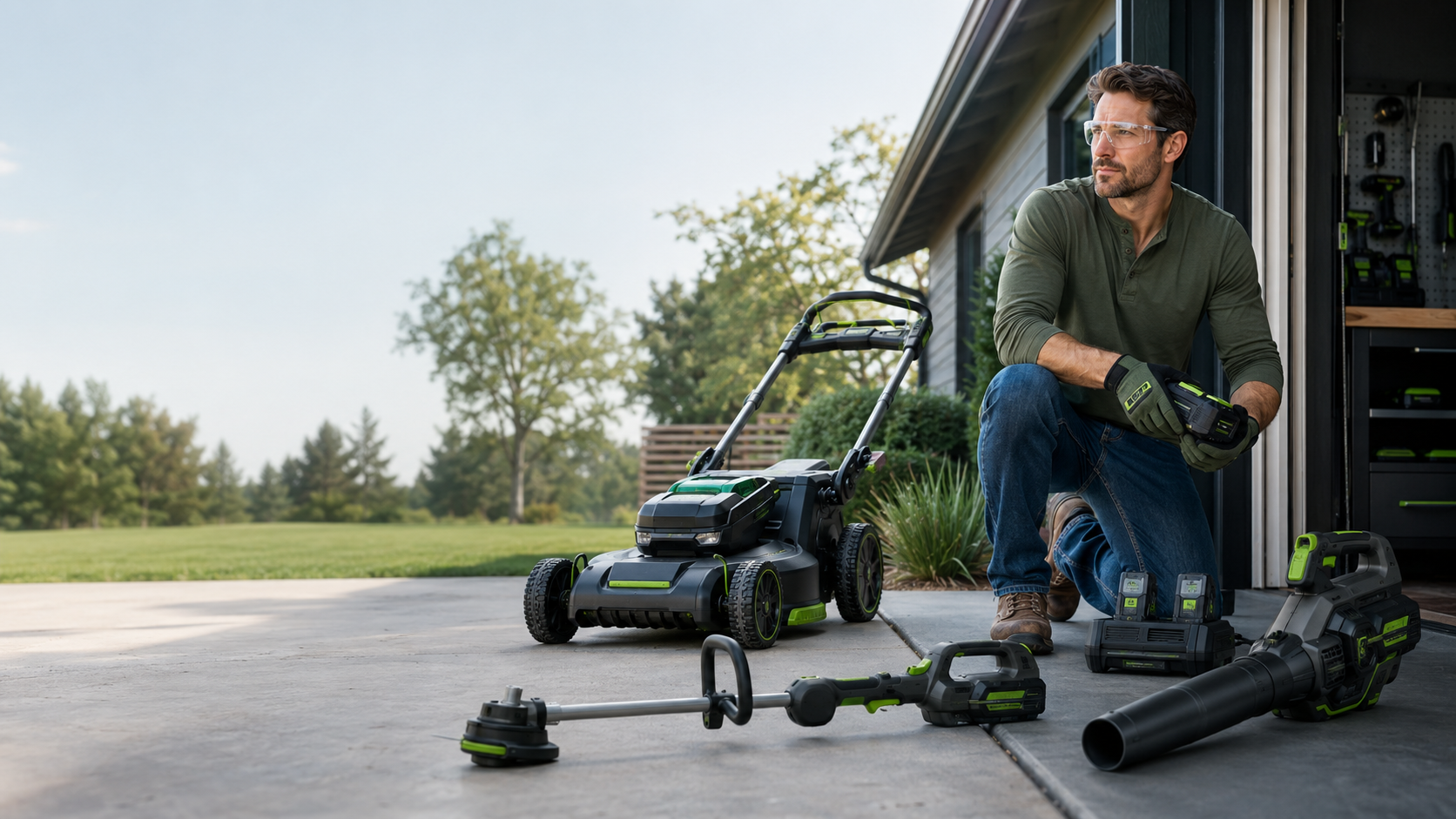
The strongest buying intent starts with a tool people already understand. Compare the battery version against the same gas or corded tool, decide whether the tradeoffs fit, then move directly into the battery buying guide.
Compare startup, runtime, refueling, maintenance, noise and property size before replacing gas outdoor equipment.
Compare Gas vs Battery →Compare the same tool type before switching. Some jobs are ideal for batteries; long stationary workloads can still favor the cord.
Compare Corded vs Cordless →Use the homepage to jump straight into gas replacements, cordless jobsite tools or battery-platform planning.
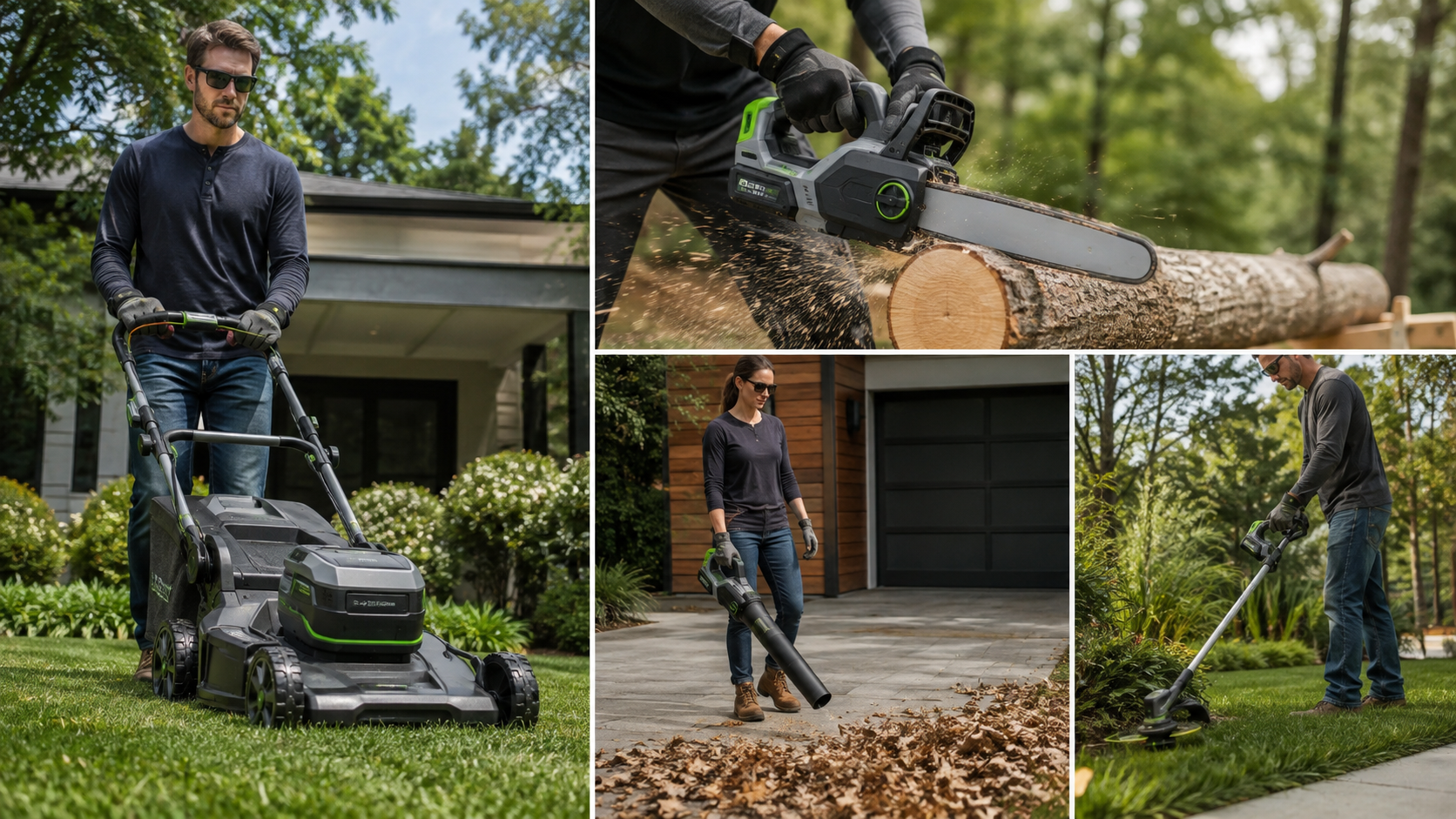
Compare mowers, chainsaws, blowers, trimmers and more before you switch.
Explore gas replacements →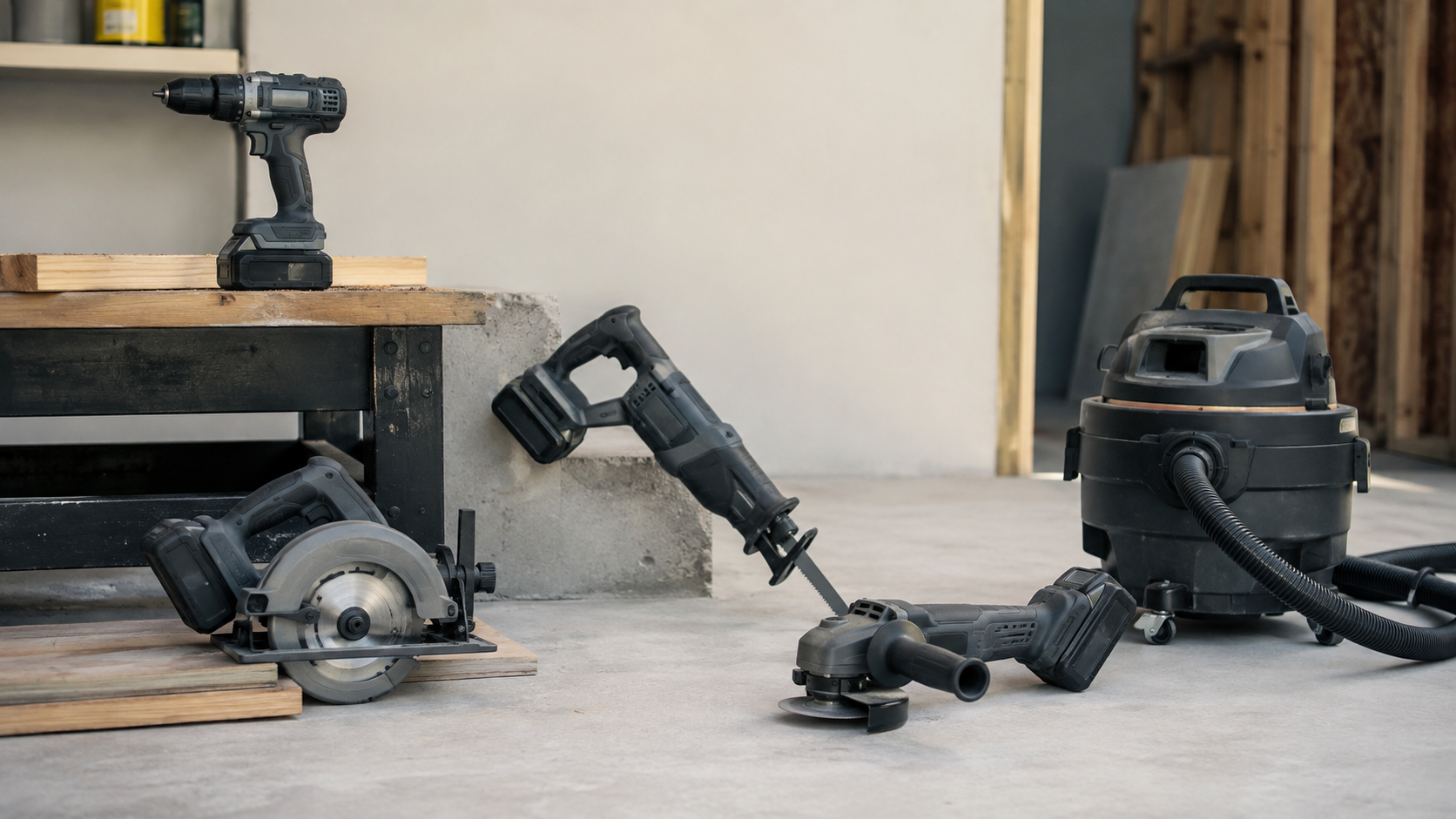
See which drills, saws, grinders and vacuums make the most sense without a cord.
Explore corded replacements →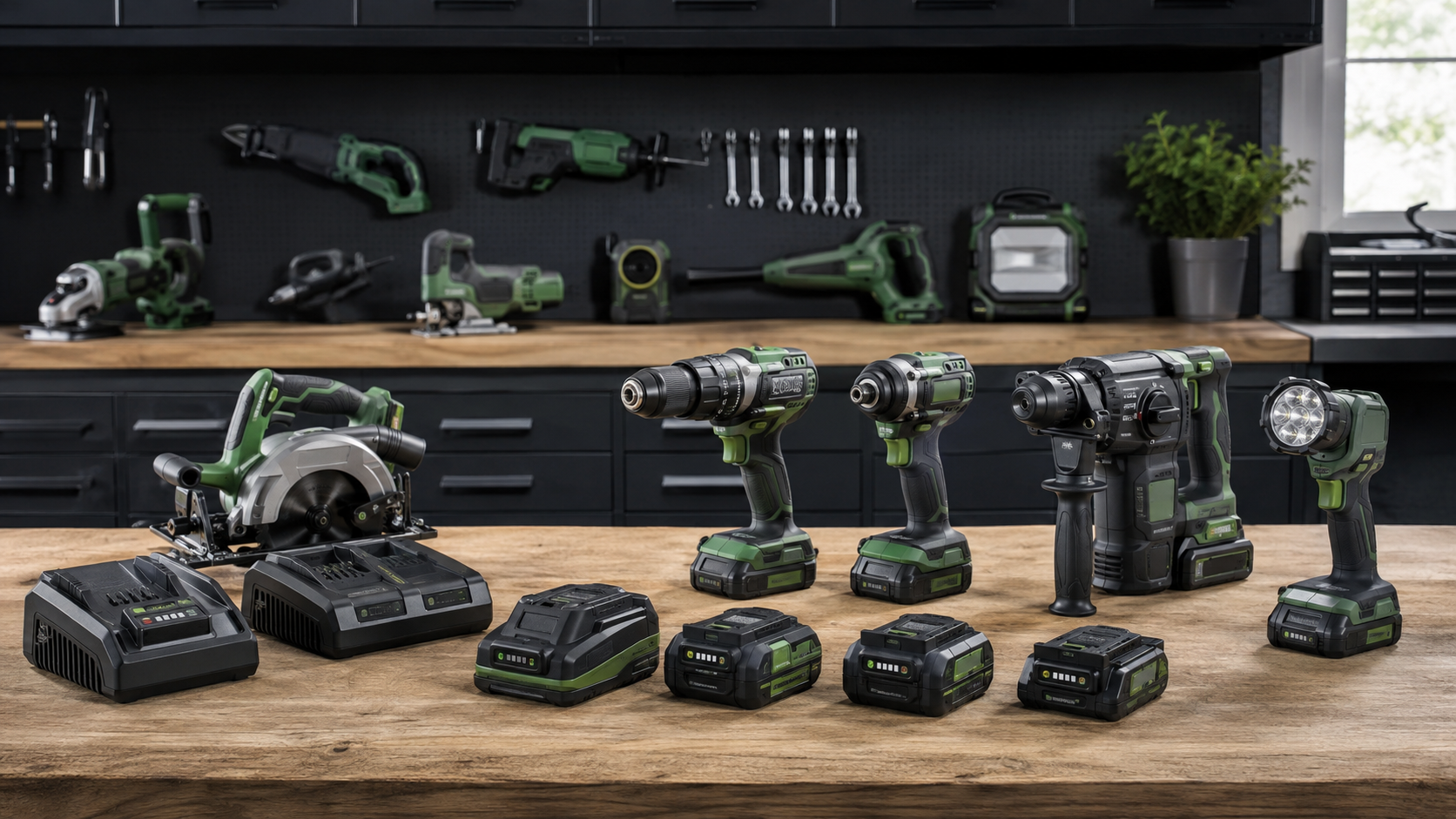
Look past the first tool and build around batteries, chargers, runtime and future purchases.
Compare battery platforms →These comparisons target the decision shoppers make before buying: can the battery version do the same job, for the same property, without becoming a runtime problem?
Yard size, runtime, thick grass, maintenance and five-year ownership cost.
Compare mowers → Battery vs GasCutting duty cycle, bar size, remote work, refueling and maintenance.
Compare chainsaws → Battery vs GasCFM, MPH, boost runtime, noise and large-property cleanup.
Compare blowers → Battery vs GasCutting swath, line size, runtime, attachments, weight and acreage.
Compare trimmers → Battery vs GasSnow depth, wet snow, cold-weather batteries, driveway size and storm duration.
Compare snow blowers →The best switch candidates are jobs where mobility and setup time matter. Continuous bench work is where the cord can still earn its keep.
Power, runtime, ladders, cabinets, workshop use and starter-kit cost.
Compare drills → Cordless vs CordedCutting load, repeated cuts, blade size, cord management and jobsite mobility.
Compare saws → Cordless vs CordedDemolition, pruning, crawlspaces, sustained cutting and battery demand.
Compare recip saws → Cordless vs CordedField repairs, continuous grinding, cutting, battery demand and shop use.
Compare grinders → Cordless vs CordedLong sanding sessions, dust extraction, battery weight and mobile finish work.
Compare sanders → Battery vs CordedVehicle cleanup, continuous suction, dust collection, tank size and runtime.
Compare shop vacs →The conversion case is strongest when battery removes recurring friction: pull starts, fuel storage, extension cords, outlet hunting or maintenance. It is weaker when the work is continuous and already happens beside reliable power.
No carburetor, pull cord or warm-up routine for battery outdoor equipment.
No gasoline storage, oil changes, spark plugs or fuel-system maintenance on battery equipment.
Move between rooms, vehicles, ladders and outdoor work without dragging AC power behind you.
The conversion gets cheaper when one battery family powers several replacements and future tools.
These buying guides are the conversion step after the power-source comparison.
Research the tool, the battery system behind it and the alternatives before you commit to another charger on the wall.
Drills, impact drivers, saws, grinders, sanders, routers and more.
↗Mowers, blowers, chainsaws, trimmers, pole saws and snow equipment.
↗Impact wrenches, ratchets, inflators, polishers, lights and shop tools.
↗Saws, sanders, routers, planers, nailers and dust-control tools.
↗Rotary hammers, demolition tools, nailers, fastening and jobsite equipment.
↗Shop vacs, handheld vacuums, scrubbers, washers and cleanup tools.
↗Lights, fans, radios, vacuums, heated gear and portable workspace tools.
↗Battery packs, amp-hours, fast chargers, multi-port systems and replacements.
Battery is often quieter, easier to start and lower-maintenance. Gas still makes sense for some sustained heavy work. Corded equipment still wins when unlimited runtime matters more than mobility.
| Factor | Battery | Gas | Corded |
|---|---|---|---|
| Startup | Instant | Pull / electric start | Instant |
| Maintenance | Low | Highest | Low |
| Portability | Excellent | Excellent | Limited by cord |
| Runtime | Battery dependent | Fast refueling | Unlimited |
| Noise | Generally lower | Highest | Moderate |
| Heavy continuous work | Tool dependent | Strong fit | Strong fit |
The first tool can be cheap. The batteries, chargers and next ten tools are where platform choice starts to matter.
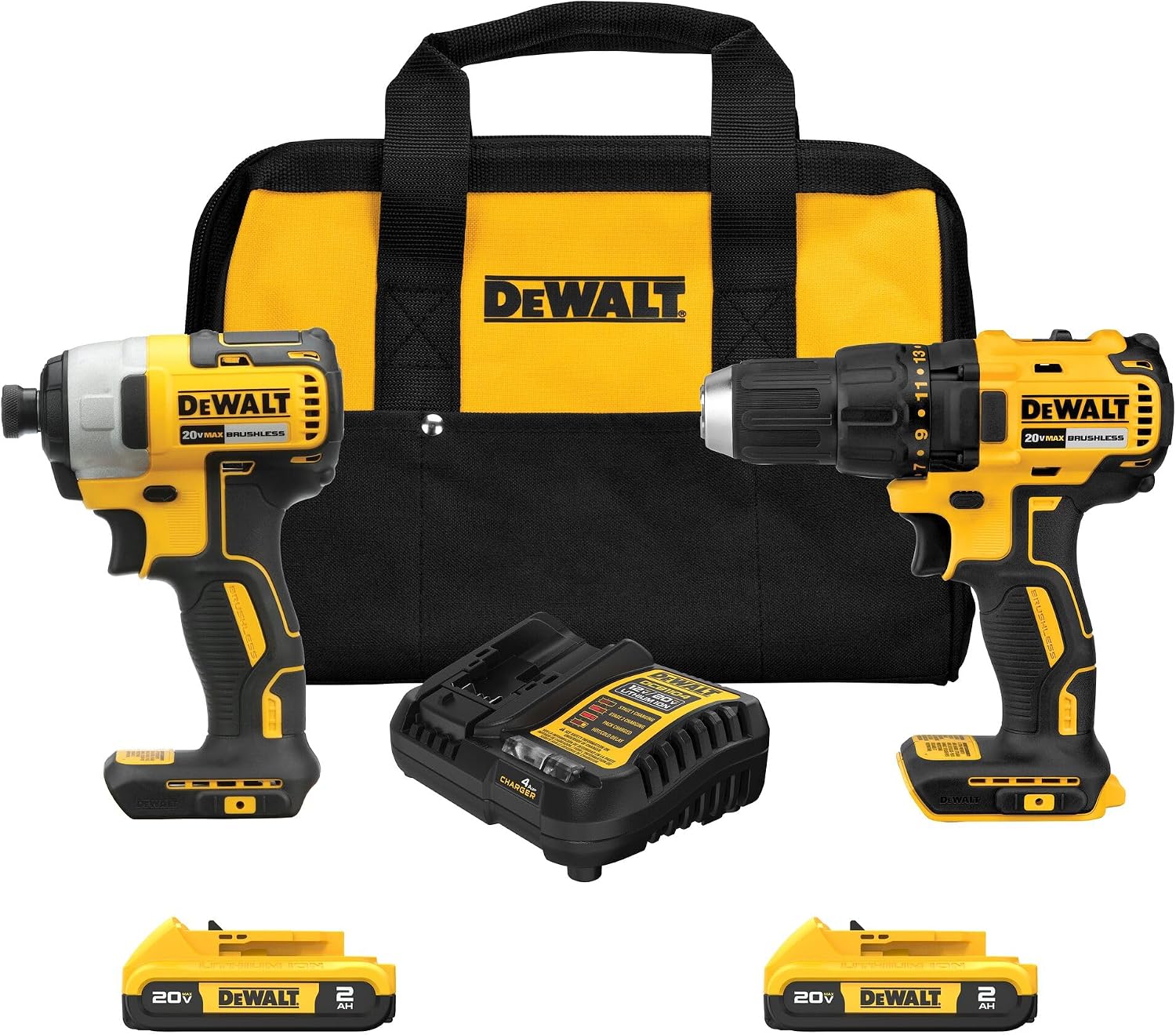
Broad power-tool lineup with strong construction, woodworking and outdoor crossover.
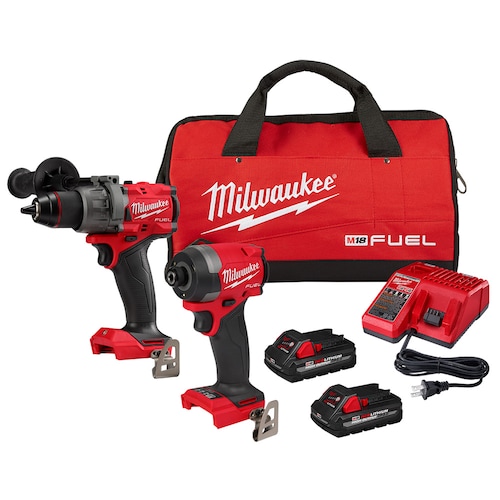
Deep professional ecosystem spanning trades, automotive, plumbing and jobsite tools.
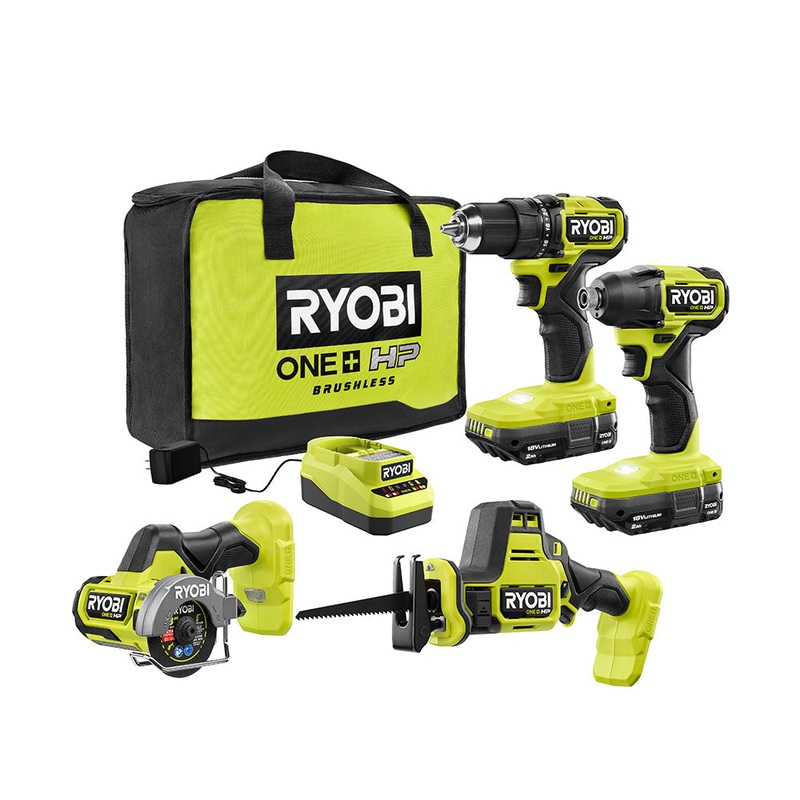
Huge homeowner and DIY ecosystem with unusual specialty tools and broad compatibility.
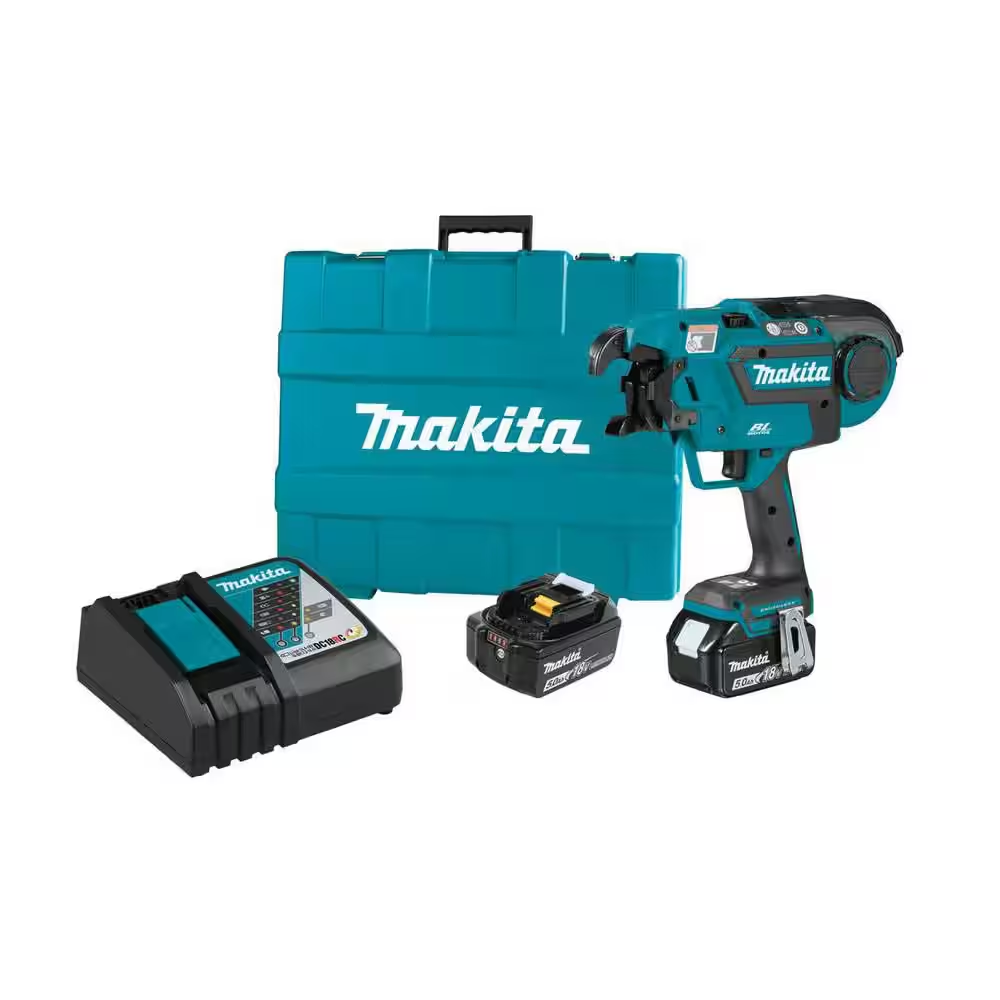
Mature professional platform with extensive power tools and outdoor equipment.
Outdoor-focused platform covering mowers, blowers, trimmers, chainsaws and more.
Multiple outdoor voltage families aimed at homeowners through heavier property work.
Professional cordless platform with compact tools and established trade-focused options.
Flexible high-output platform with cordless and select AC-adapter capability.
Shortlist the best-fit equipment by job, property size, runtime needs, platform and price—not by a generic “best overall” label.
Compare deck size, runtime, self-propel systems, battery capacity and property fit.
Compare lawn mowers →Match bar length, chain speed, battery size and workload to homeowner or property use.
Compare chainsaws →Compare compact drills, hammer drills, torque, chuck size and battery-platform value.
Compare drills →Look beyond peak CFM to air speed, sustained output, noise and battery runtime.
Compare leaf blowers →Compare breakaway torque, size, weight and battery compatibility for automotive work.
Compare impact wrenches →Compare cutting swath, line feed, balance, attachments and runtime for your property.
Compare trimmers →Sometimes absolutely. Sometimes not yet. Compare property size, sustained runtime, recharge strategy, noise, storage and workload before ditching the gas can.
Explore Outdoor Equipment →Fuel, electricity, oil, filters, spark plugs, replacement batteries and maintenance change the answer over five years.
The illustration is not a universal cost claim. Actual ownership cost depends on the exact equipment, usage, energy prices, maintenance and battery replacement.
Voltage, amp-hours, watt-hours, chargers and cell condition affect performance more than the marketing badge on the box.
Use these retailer searches after you have narrowed the tool, battery platform and package type. Amazon links use GreenBatteryTools.com's Associates tracking ID and eBay searches use the Green Battery Tools EPN campaign.
Starter kits and combo kits when you need tools, batteries and a charger.
Useful when you already own enough compatible batteries and chargers.
Replacement packs, starter sets and charging equipment across major platforms.
Mowers, chainsaws, blowers, trimmers and other cordless yard equipment.
Affiliate links: Green Battery Tools may earn a commission from qualifying purchases at no additional cost to you.
The best price depends on what you already own. Deal pages should separate tool-only offers from kits, batteries and chargers so platform owners can find the real value.
A practical comparison of runtime, maintenance, acreage and ownership cost.
Explore comparison →What nominal and maximum voltage labels actually mean when comparing platforms.
Read battery guide →Plan runtime and charging around the job instead of buying battery packs at random.
Plan your setup →A battery platform is a long-term equipment decision. These are the questions worth asking first.
Some are, for some jobs. Modern battery equipment can match or outperform gas equipment in many homeowner and professional applications, but sustained heavy-duty runtime, quick refueling and specific high-load tasks can still favor gas. Compare the exact tool and workload.
Not automatically. Some 18V and “20V Max” platforms describe similar lithium-ion pack voltages using nominal versus maximum charged voltage. Tool design, battery capability and electronics matter more than the label alone.
If you expect to buy multiple cordless tools, platform choice matters. Battery compatibility, charger availability, tool variety, replacement cost and the equipment you may buy later should influence the first purchase.
Corded tools can be excellent when the work stays near reliable power and long continuous runtime matters more than portability. They also avoid battery aging and charging logistics.
No. Green Battery Tools is an independent research and comparison website. Some outbound shopping links may be affiliate links, which can earn the site a commission at no additional cost to the buyer.